- December 13, 2025

-
-
Loading
Loading
Steve Allen knows the science behind what makes a product sell.
It’s all in the analytics: collecting sales data and making sense of market trends to predict consumer behavior, he says. His aptitude for analytics has served him well. He landed a job as an analyst in the ski industry straight out of college and got paid to hit the slopes, then built a 17-year career in sales and marketing at Lindt, traveling the world, he says, many times over for high-end chocolatier.
Last year, though, Allen gave up the sweet life, selling ski trips and Swiss chocolate, for something a little saltier: the tortilla chip.
In August 2024, Allen moved his family to Dunedin, Pinellas County, and accepted a job as retail manager for Easy Foods, a Kissimmee-based industrial tortilla manufacturer.
“I was ready for a challenge and excited by all the opportunities I saw for Easy Foods to continue growing,” Allen says. “Of course, there’s been a learning curve. Selling chips isn’t always like selling chocolate.”
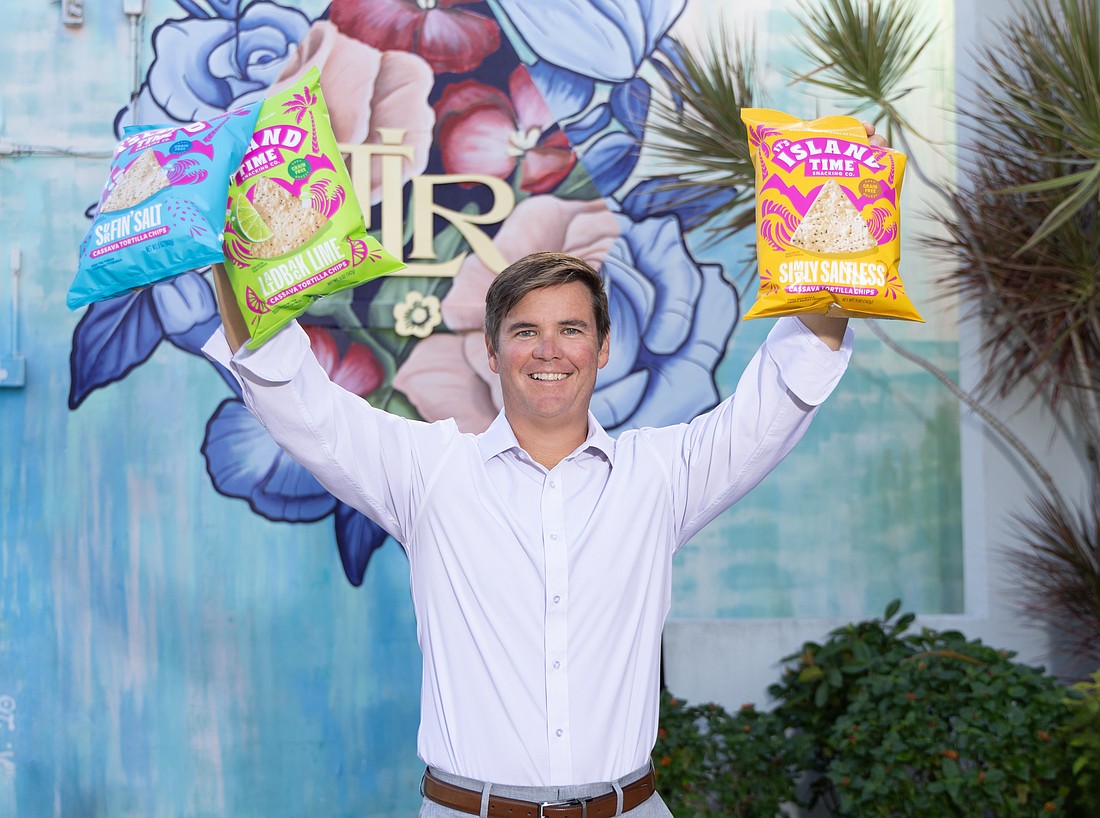
Yet in the year or so he’s been on the job, Allen has helped Easy Foods evolve from selling tortillas and chips within the food service industry to entering the world of retail with its first ever in-house snack food brand: Island Time Snacks.
Easy Foods officially launched its clean-ingredient, cassava-based chips June 20. Since then, the company has secured a deal to sell them online at Walmart.com and is courting several other major retailers such as Albertsons, Winn Dixie and Aldi, Allen says.
“Launching Island Time chips is definitely the culmination of a lot of work the company had already done to lay a foundation and make sure that, when the time came, we did it right,” Allen says
It’s an accomplishment that, in some ways, brings Easy Foods full circle to when CEO William Isaias first started the company in Miami in 2005. For the first three years, Easy Foods operated as a brand, selling tortillas purchased from other manufacturers. Soon, though, Isaias grew frustrated by inconsistencies in the quality of the products the company received and, in 2008, the company opened its first manufacturing facility — a 26,000-square-foot building with one production line for flour tortillas and one line for corn.
As Easy Foods’ reputation for delivering quality products grew, so did its facilities. In 2018, the company transitioned to its current facility in Kissimmee: a 100,000-square-foot state-of-the-art facility with 10 automated production lines, an automatic rejection system, an in-house research and development lab and a test kitchen.
In addition to producing tortillas and chips, Easy Foods has expanded its capabilities to include private label manufacturing, co-packing, customized branding, and even provides sales and marketing support. And with the company poised to begin launching its own products in the retail sector, Easy Foods plans to open a second facility, this one in Sherman, Texas, in 2027, Allen says.
If you’ve eaten a burrito from Moe’s Southwest Grill or Lime Fresh Mexican Grill, there’s a good chance you’ve tasted an Easy Foods tortilla, Allen says. The company sells products to numerous restaurants and food service companies such as Cisco, Cheney Brothers and Performance Food Group.
“Many many people have eaten our food but don’t know our name, so our biggest challenge right now is getting out there and connecting the dots to become a retail product that connects with consumers,” Allen says.
Courting retailers and keeping customers is a “long game of performance” that doesn’t end unless you lose, fellow food manufacturer David Habib says.
Habib, founder and CEO of Clearwater-based Yo Mama’s Foods, began manufacturing his quality pasta sauces, salad dressings and condiments in 2017 to rapid success. Over the past eight years, Habib has managed to maintain a strong retail presence nationwide, with Yo Mama’s Foods sold in supermarkets including Publix, Sprouts, Costco.com, Sams.com, Amazon.com and Walmart, both online and in store.
“Most brands think that once they get into a retail store their work is done, but that's when the work really begins,” Habib says. “When you launch a brand you have to remember that a retail shelf is the most expensive real estate in the world and if your product is on the shelf it typically means another brand got pulled out so you could take their spot. Then the job is all about how to move your product as quickly as possible because retailers are looking at your velocity every day, every week, every month. You have to constantly justify that you deserve that spot or else you’ll lose it to someone else.”
To be successful, a new product has to speak for itself through packaging and marketing, Habib says, and manufacturers have to continually ensure they’re selling the best possible product at the best possible price.
That’s where Allen’s analytics come into play.
The tortilla chip business generates about $8.5 billion annually and historically stays relatively flat — though sales are currently down about 7%, Allen says. According to Allen, the top three tortilla chip brands — Doritos, Takis, and Tostitos, have also seen below average sales this year. One outlier, though, has been Siete Foods, a smaller boutique brand of chips and other Mexican-American products. The company’s above average sales have been slight, but were still enough to attract attention from PepsiCo, which purchased the brand in January for $1.2 billion.
“By analyzing the numbers we can see that there’s been a fundamental shift in what customers are buying and, strategically, more retailers are leaning a little heavier into private label foods,” Allen says.
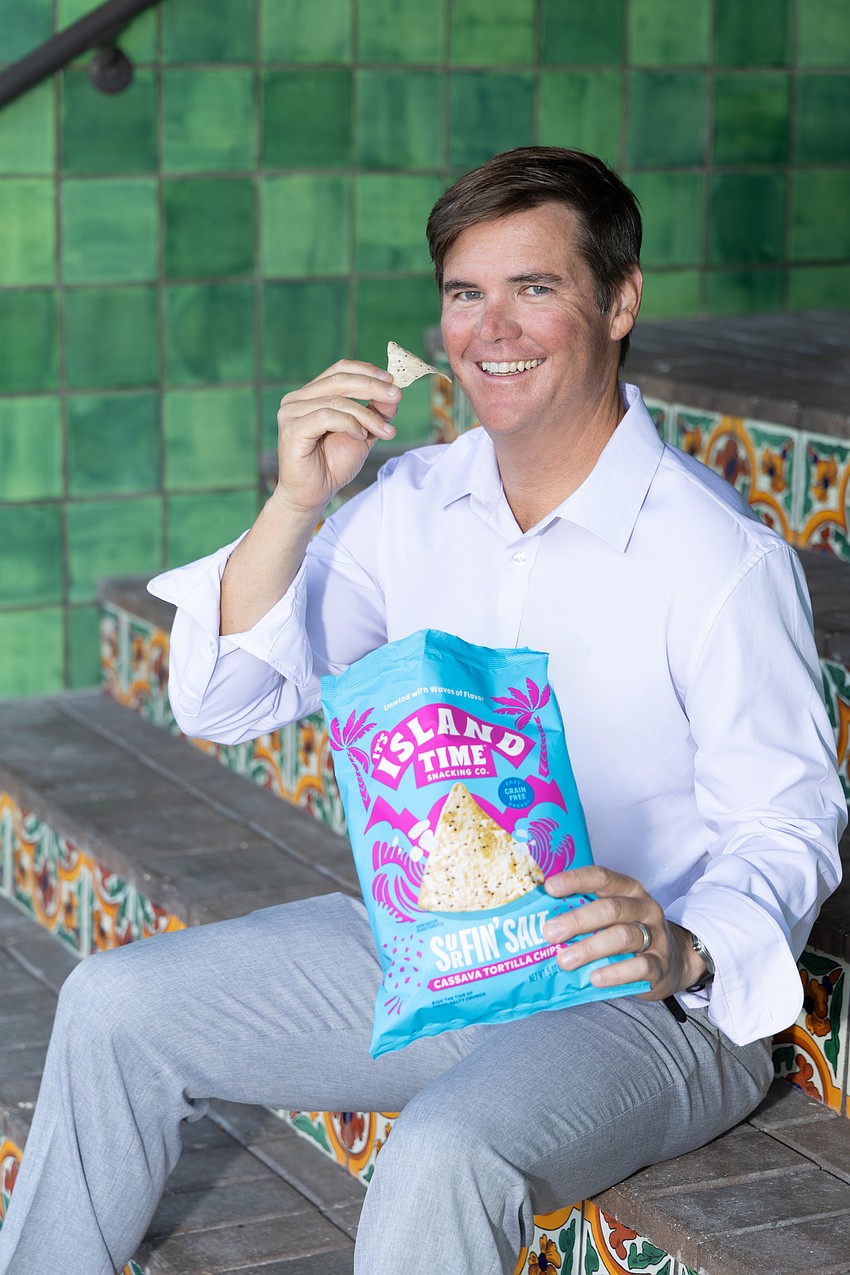
Market trends show that, despite rising costs across grocery shelves, consumers are generally still willing to pay a bit more for products with clean ingredients and without “gut fillers,” Allen says. That’s why Island Time Snacks are made without any preservatives. It means each bag of “Sufin’ Salt,” “Simply Saltless,” or “Laid Back Lime” flavored chips has a 90-day shelf life before expiring, which makes moving product quickly and ensuring smooth distribution even more paramount for Easy Foods’ success.
It’s the ingredients that really set Island Time Chips apart from other competitors, Allen says. Instead of using corn as the base for its tortilla chips, Island Time Snacks are made from a root vegetable called cassava, or yucca. The chips are also fried in avocado oil instead of the traditional sunflower seed oil used by competitors, Allen says. It costs a little bit more, but the payoff is Island Time Snacks can be eaten by people with grain and flour allergies, a rarity in the snack chip industry.
“It was an easier story to tell with Lindt chocolate, right? Because you could market the kind of cocoa you used and where you sourced all the ingredients that make it a premium product,” Allen says. “But I’m learning that being ‘premium’ isn’t just about what’s in your product but the way you use them, right down to how you produce and deliver your product, and Easy Foods does everything in a very premium way.”