- December 15, 2025

-
-
Loading
Loading
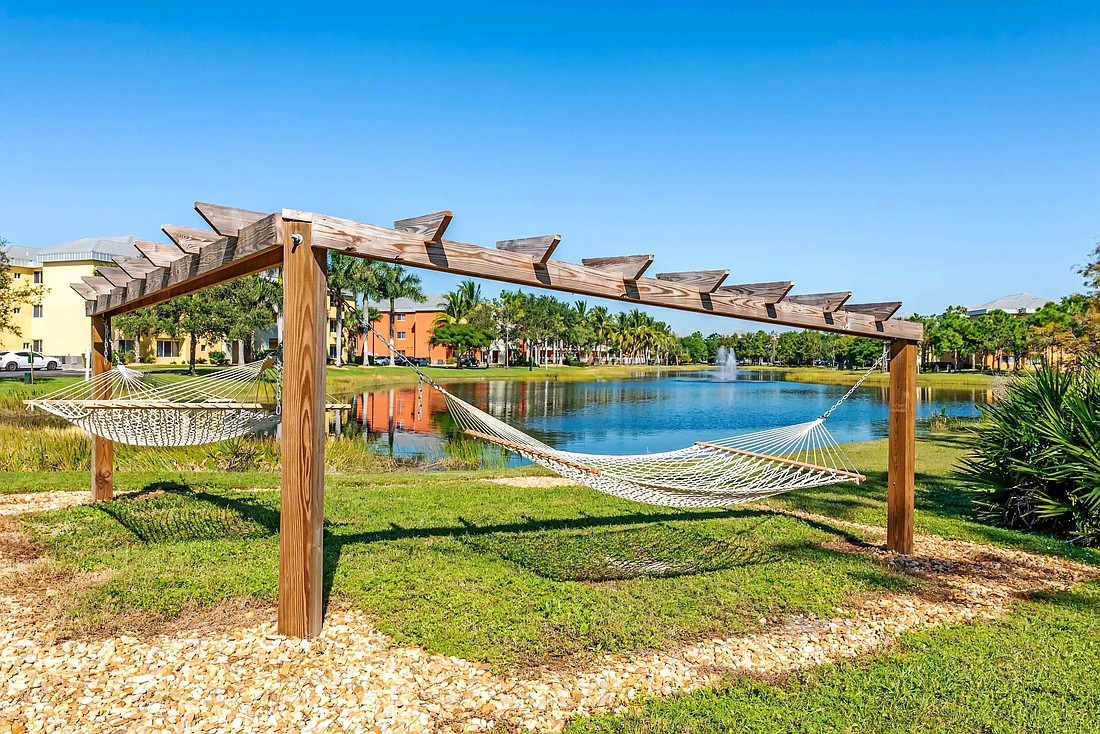
Capreit, a Maryland multifamily property operator, has bought a student housing community near Florida Gulf Coast University for $72.3 million. The property is at 19401 Skidmore Way in Fort Myers. It was previously owned by Coastal Ridge Real Estate in Ohio which, according to Lee County property records, paid $44 million for it in 2018. JBM Institutional Multifamily Advisors, which brokered the sale, says the 200-unit, 800-bed, three-story Coastal Village was built in 2004 and sits on 21.29 acres. It is a mile from FGCU and one of three student housing communities serving the university. The purchase, Capreit says, is the company’s first entry into student housing. Andrew Kadish, Capreit’s CEO, says the company sees it as an opportunity because of it “relatively consistent and reliable demand in the student housing sector, combined with our desire to secure steady returns and significant capital appreciation.” Capreit, which has no affiliation with a similarly named real estate investment trust in Toronto, was founded in 1993. It owns and manages more than $5 billion in multifamily assets. According to its website it has developed or bought 43,000 units.
Alico Inc. in Fort Myers, which announced earlier this year that it was exiting the citrus business, has submitted an application for a residential development on land it owns. The plans are for the first of two villages in what eventually will be a 3,000-acre-master-planned community. What Alico is planning for the property is the development of two 1,500-acre mixed-use villages — Corkscrew Grove East Village and Corkscrew Grove West Village — “that will create a new residential and commercial hub near the intersection of Collier, Lee and Hendry counties.” The initial application, which Alico says will undergo a comprehensive review by local, state and federal agencies, is for Corkscrew Grove East Village. The company plans to begin construction by 2028 or 2029 following the completion of all required permits. Alico announced Jan. 6 that it was shutting down its citrus operation after this year’s harvest citing what it called changing economic and environmental realities that had led to a 73% decline in production over the past decade. The company said at the time that the move away from citrus allows it to “pursue commercial and residential development opportunities.” The company says it owns approximately 53,371 acres across eight counties in the state, as well as approximately 48,700 acres of oil, gas and mineral rights.